Animals Embroidery Design: A Professional Review for Small Business Merch
As an embroidery designer who has spent years digitizing and reviewing files for commercial use, I approach every new machine embroidery design with a critical eye. It is not just about whether a motif looks cute on a screen; it is about how it performs on fabric, how it holds up in the wash, and most importantly, how it elevates a brand. Today, I am reviewing the Animals design, a collection that promises to add a playful accent to various materials. For small business owners, Etsy sellers, and apparel decorators, understanding the practical application of this design is crucial before adding it to your product lineup.
First Impressions: Visual Personality and Brand Fit
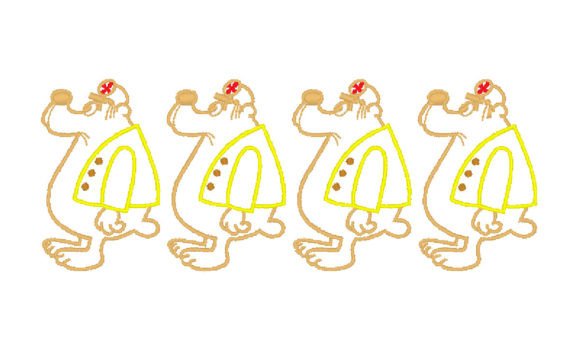
The initial appeal of the Animals collection lies in its versatility. Based on the description, this pretty embroidery gives a nice look to your fabrics, suggesting a design language that is approachable and friendly. In the world of branded merchandise, "playful" is a powerful keyword. It signals to customers that a brand is accessible, warm, and human-centric. This makes the design particularly suitable for businesses in the pet industry, children’s boutiques, bakeries, florists, or creative studios that want to soften their corporate image.
However, "playful" does not mean amateurish. When evaluating a digital embroidery file for commercial embroidery, I look for clean lines and balanced proportions. The Animals design appears to offer a unique aesthetic that can serve as a standout feature. For a handmade brand, this visual personality helps differentiate products from mass-produced items. It adds that coveted "handmade product" feel, even when produced via machine, which is essential for building customer trust and perceived value.
Real-World Applications for Small Business Merch
The true test of any embroidery asset is its adaptability across different substrates. The description notes that you can sew this unique embroidery onto any material that needs a playful accent. Let us break down how this works in real business scenarios.
- Embroidered Patches: This is perhaps the most versatile application. An Animals motif can be stitched onto twill or felt backings to create iron-on or sew-on patches. These are excellent for upselling at checkout counters in boutique shops or including as freebies in online orders to encourage repeat business.
- Custom Apparel and Uniforms: For cafés or pet grooming salons, staff uniforms benefit greatly from subtle branding. Placing a small Animals design on the chest pocket area of a work shirt or apron adds professionalism without being overwhelming. It turns a standard uniform into a branded asset.
- Cap Embroidery: Headwear is a high-margin item for many small businesses. The curved surface of a cap requires designs that are not too wide or dense. If the Animals design has a compact footprint, it works beautifully on the front panel or side of a dad hat, appealing to customers who love subtle branding.
- Tote Bag Design: Canvas tote bags are staples for eco-friendly brands. A larger version of this design can serve as the central graphic on a tote, transforming a simple bag into a statement piece. The contrast between the thread colors and the natural canvas texture can create a rustic, premium look.
Technical Considerations and Production Notes
While the aesthetic potential is high, technical execution is where many small business owners stumble. The product description mentions that this machine embroidery design comes with multiple embroidery file formats. This is a significant advantage, as it suggests compatibility with various machine brands. However, before running a production batch, there are several critical steps you must take.
First, always check the stitch density. High-density designs can cause puckering, especially on lightweight fabrics like cotton tees or silk blends. If the Animals design features heavy saturation, you may need to use a heavier cut-away stabilizer to support the stitches. Conversely, if the design is too sparse, it might not cover the fabric adequately, leading to visibility issues on dark uniforms.
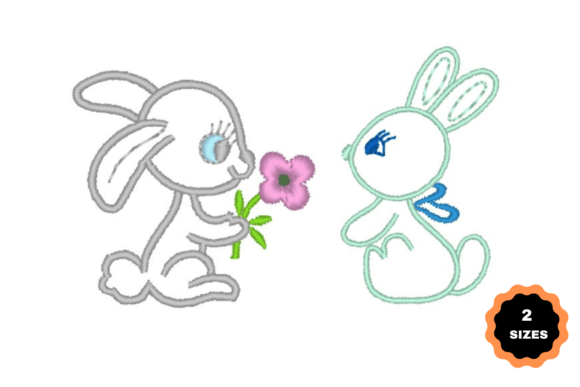
Second, consider the hoop size constraints. Not all designs fit all hoops. Ensure that the specific file version you choose matches your machine’s maximum hoop capacity. For small patch sizes, verify that the details do not become lost. Tiny elements in animal designs, such as eyes or whiskers, can merge together if scaled down too far. I recommend testing the design at its smallest intended size on a scrap piece of fabric before committing to final production.
Third, evaluate thread colors against your fabric choices. A design that looks vibrant on white may disappear on navy blue. Create a printable mockup or stitch out samples in your brand’s primary color palette. This step is vital for maintaining visual consistency across your product line. If you are using textured fabric, such as terry cloth towels or denim, the stitch type matters. Satin stitches may sink into plush textures, so a tatami fill might be necessary for better visibility.
Enhancing Brand Identity and Customer Engagement
Using a cohesive set of design assets like the Animals collection can significantly strengthen your brand identity. When customers see the same high-quality embroidery on your apron, your packaging, and your social media posts, it builds recognition. It signals attention to detail and quality control.
For Etsy sellers and crafters, offering customized items featuring these designs can increase buyer engagement. Customers love personalization. Imagine offering a pet portrait service where the Animals design serves as a base or frame for further customization. This adds value to the finished product and allows you to charge a premium for bespoke work.
Moreover, embroidered items have a tactile quality that printed graphics lack. When a customer touches an embroidered patch or feels the raised stitches on a tote bag, it creates a sensory connection to the brand. This physical interaction fosters loyalty and encourages word-of-mouth marketing. A well-executed Animals embroidery becomes a conversation starter, enhancing the overall customer experience.
Final Verdict and Best Practices
The Animals embroidery design offers a promising opportunity for small businesses looking to add a playful yet professional touch to their merchandise. Its potential applications range from staff uniforms to retail accessories, making it a flexible addition to your digital library. However, success depends on proper technical preparation.
- Test Before You Sell: Always stitch out a sample on the actual fabric you intend to use. Check for puckering, thread breaks, or registration issues.
- Review Licensing: Confirm commercial licensing terms. Ensure you have the right to use the design on items for sale, especially if you are producing high volumes.
- Optimize for Fabric: Adjust your stabilizer and tension settings based on the fabric texture. Dark uniforms may require underlay adjustments to prevent show-through.
- Create Mockups: Use digital mockups to visualize the design on different products before pitching to clients or listing online. This helps manage customer expectations.
In conclusion, if you are looking to enhance your small business merch with a design that conveys warmth and creativity, the Animals collection is worth exploring. By paying attention to stitch density, hoop size, and fabric compatibility, you can ensure that every finished product reflects the high standards of your brand. Remember, great embroidery is not just about the design itself, but how well it is executed to serve your business goals.