Cute Gnome Holding Christmas Tree: A Designer’s Review
As an embroidery designer who has spent countless hours digitizing and stitching thousands of motifs, I have learned that not all holiday designs are created equal. Some look charming on a screen but turn into a tangled mess of thread on fabric. Others lack the visual weight needed to stand out on a finished product. When I first loaded the Cute Gnome Holding Christmas Tree design into my software, I was looking for more than just seasonal cheer. I was looking for technical reliability, stitch clarity, and commercial viability. After putting this motif through its paces on various textiles, I am ready to share my honest assessment of how it performs in real-world applications.
First Impressions: Mood and Visual Personality
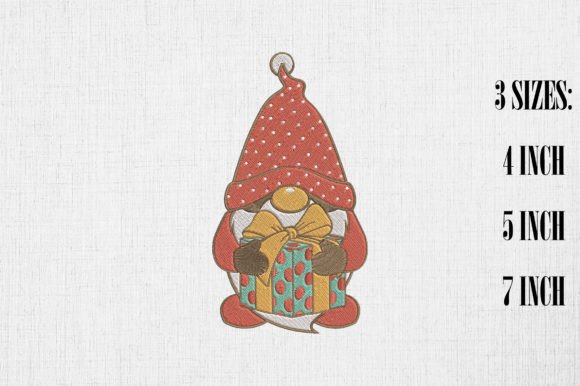
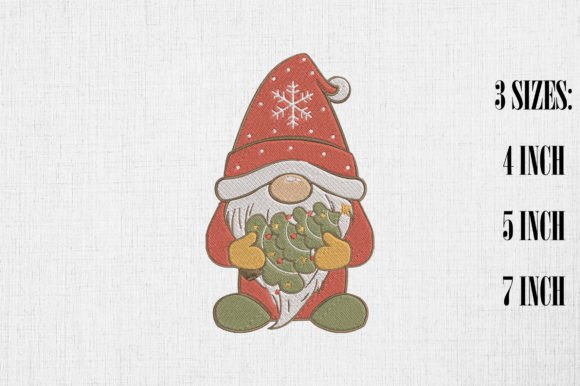
The immediate appeal of this design lies in its balanced simplicity. The gnome character is stylized with clean lines, avoiding the excessive detail that often plagues low-quality digital embroidery files. The composition features the gnome securely holding a small Christmas tree, creating a self-contained shape that is easy to frame within different hoop sizes. The mood is whimsical yet refined, striking a sweet spot between childish cute and boutique-ready chic. This versatility is crucial for designers who need assets that appeal to a broad demographic, from parents buying baby clothes to adults seeking festive home decor.
From a layout perspective, the design avoids overly thin elements that might break during stitching or wear out after washing. The proportions feel intentional, with the tree providing a nice vertical counterpoint to the rounded shape of the gnome’s hat and body. This structural balance suggests that the digitizer understood how thread behaves under tension, a detail that experienced crafters will appreciate immediately.
Real-World Application: From Screen to Stitch
To truly evaluate a machine embroidery design, you must take it off the computer and onto fabric. I tested this motif on several common substrates used in small shop products. My primary test case was a custom embroidered tote bag made from medium-weight canvas. The design held up remarkably well. The fill stitches provided solid coverage without causing the fabric to pucker excessively, thanks to appropriate density management. The result was a crisp, professional-looking image that elevated the perceived value of the bag instantly.
I also applied the design to a fleece sweatshirt, a popular item for holiday gifts. Here, the contrast between the thread colors and the fabric texture played a significant role. The satin stitch borders defined the shapes clearly against the plush background, ensuring the gnome did not get lost in the pile. This makes the design an excellent candidate for sweatshirt embroidery, where visibility and durability are key. For those running an Etsy seller business or a local craft booth, this reliability translates directly to customer satisfaction and fewer returns due to poor quality.
Another practical application I explored was using the motif as an embroidered patch. Because the design is self-contained and does not rely on the background fabric for part of its imagery, it works beautifully as a standalone applique design or a direct-stitch patch. This opens up opportunities for creating modular design assets that can be ironed or sewn onto jackets, caps, and backpacks, expanding the product line possibilities for creative entrepreneurs.
Fabric Considerations and Technical Challenges
While the design is robust, it is not immune to the challenges of specific fabrics. When working with thin or stretchy materials, such as jersey knits for t-shirts or delicate scarves, proper stabilization is non-negotiable. I recommend using a cut-away stabilizer for garments that will undergo frequent washing to prevent distortion over time. The stitch density appears moderate, which is generally safe, but testing on scrap fabric is essential to ensure the threads do not pull the material out of shape.
Dark fabrics present another consideration. If you are stitching on black or navy blue, you must carefully select thread colors that offer sufficient contrast. A dark green tree on a black shirt will vanish. In these cases, consider using lighter shades or adding a subtle running stitch outline to define the edges. Additionally, curved surfaces like caps require careful hooping. The width of the gnome’s hat should be checked against your cap frame’s usable area to ensure no parts are cut off or distorted during the stitching process.
Enhancing Product Value and Brand Consistency
For handmade product sellers, the choice of embroidery file can significantly impact brand perception. A clean, well-digitized motif like Cute Gnome Holding Christmas Tree signals professionalism. It shows that the maker cares about quality, which builds customer trust. When buyers receive a personalized gift that looks polished and durable, they are more likely to leave positive reviews and return for future purchases. This design fits seamlessly into a cohesive holiday collection, allowing for consistent branding across different items like aprons, pillow covers, and kitchen towels.
Moreover, the visual appeal of this design lends itself well to printable mockups and digital product previews. Whether you are selling the finished product or offering custom apparel services, having a high-quality image of the stitched result can boost buyer engagement. The clear lines and recognizable shapes translate well in photographs, making it easier to market your work on social media and online marketplaces.
Practical Notes for Designers and Makers
Before committing to a large production run or listing this item in your small shop product catalog, there are several steps I advise taking. First, always verify the license terms. While many digital embroidery files allow for commercial use on finished physical items, restrictions may apply to sharing the file itself. Confirming this protects your business from legal issues.
- Test on Scrap Fabric: Always stitch a sample on the same material and layer configuration you plan to use for the final product.
- Check Thread Contrast: Ensure your thread colors pop against the fabric, especially for holiday embroidery on darker backgrounds.
- Review Stitch Density: Look for areas that might be too dense for lightweight fabrics and adjust if necessary.
- Confirm Hoop Size: Make sure the design fits comfortably within your hoop, leaving enough margin for stable clamping.
- Inspect Small Details: Zoom in on the digital file to check for any potential jump stitches or loose ends that might need trimming.
Additionally, consider how the design looks in black and white. This simple test can reveal if the contrast and definition are strong enough to be recognized from a distance. If the details blur together in grayscale, you may need to adjust your thread choices or simplify the color palette for certain applications.
Final Verdict
The Cute Gnome Holding Christmas Tree is a solid addition to any embroidery designer’s library. It balances aesthetic charm with technical practicality, making it suitable for a wide range of projects from baby embroidery to boutique home decor. By understanding its strengths and respecting the limitations of different fabrics, you can leverage this design to create high-quality, profitable handmade products. Whether you are an experienced decorator or a hobbyist looking to elevate your craft, this motif offers the reliability and visual appeal needed to succeed in the competitive holiday market.