Grace Retro: A Designer’s Review for Branded Merch
As an embroidery designer who has spent years digitizing logos and testing files for small business clients, I approach every new machine embroidery design with a critical eye. It is not enough for a pattern to look pretty on a screen; it must perform under the needle, withstand washing, and elevate the brand it represents. Recently, I evaluated Grace Retro, a colorful digital piece categorized under Religion and Embroidery, to determine its viability for commercial use. My goal was to see if this design could transition from a simple decorative element into a powerful tool for brand identity and small business merch.
First Impressions: Visual Personality and Appeal
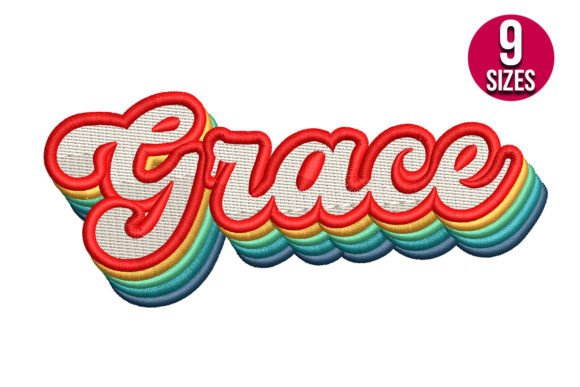
The title Grace Retro immediately sets a specific tone. Upon reviewing the preview images, the design exudes a sense of nostalgic charm mixed with spiritual warmth. It feels both classic and playful, striking a balance that is increasingly popular in modern boutique aesthetics. The description promises that "grace and beauty will come your way," and visually, the design delivers on this through soft, flowing lines and a vibrant color palette. For businesses in the faith-based sector, creative studios, or lifestyle brands, this aesthetic is invaluable. It does not scream for attention but rather invites it, making it suitable for customers who appreciate subtlety and elegance over bold, aggressive branding.
From a technical standpoint, the "retro" aspect suggests a style that may utilize satin stitches or fill patterns reminiscent of mid-century design trends. This is crucial for custom apparel because retro styles often rely on specific thread textures to achieve authenticity. The design appears friendly and approachable, which is essential for businesses wanting to build trust and community engagement through their products.
Real-World Applications for Small Businesses
When considering where to place Grace Retro, I looked beyond standard t-shirts. The versatility of this digital embroidery file makes it a strong candidate for various merchandise types. Here is how I envision it performing in real business scenarios:
- Embroidered Patches: This is perhaps the strongest use case. The design’s contained shape and colorful nature make it ideal for iron-on or sew-on patches. These can be sold as standalone accessories or applied to denim jackets and bags, adding significant perceived value to the finished product.
- Café and Boutique Aprons: For local bakeries, florists, or coffee shops, apron embroidery serves as a walking advertisement. Grace Retro offers a warm, welcoming vibe that aligns perfectly with hospitality industries. Placed on the chest or pocket, it adds a handmade touch that customers associate with quality and care.
- Tote Bag Design: Canvas tote bags are staples for Etsy sellers and craft fairs. The design’s colorful retro style pops against natural canvas fibers, creating a stylish accessory that customers are proud to carry. It transforms a basic bag into a statement piece.
- Cap Embroidery: While possible, this requires careful sizing. If the design is simplified or scaled down appropriately, it can work as a front-panel accent on dad hats or trucker caps, appealing to a younger, trend-conscious demographic.
Technical Considerations and Production Challenges
While the aesthetic appeal of Grace Retro is high, any professional embroiderer knows that beauty must be backed by technical precision. Before running this design on a client’s production machine, there are several factors to evaluate. The product description notes that it comes with multiple embroidery file formats, which is a significant advantage for compatibility across different machine brands. However, it does not specify exact stitch counts or recommended hoop sizes. Therefore, I strongly advise downloading the trial or checking the detailed specs before committing to a large run.
Stitch density is a primary concern. Retro designs often feature dense fills to achieve a solid, vintage look. If the density is too high for lightweight fabrics like thin cotton tees or silk blends, the fabric may pucker or distort. I recommend testing the design on a scrap piece of the actual garment material using the appropriate stabilizer. For heavier items like tote bags or denim patches, a cut-away stabilizer might be necessary to support the weight of the threads.
Another critical factor is thread colors. The description highlights a "colorful" design. In production, matching these specific shades can be challenging if you do not have a wide range of thread brands. I suggest creating a printable mockup using your available thread chart to ensure the contrast remains visible and attractive. If the design relies on subtle gradients, ensure your machine can handle the color changes smoothly without excessive jump stitches that might detract from the clean, professional look.
Brand Identity and Customer Perception
Using Grace Retro is not just about adding a logo; it is about reinforcing brand identity. For religious organizations, churches, or faith-based nonprofits, this design communicates values of grace, beauty, and tradition without being overly dogmatic. It feels inclusive and artistic. For secular businesses like handmade jewelry shops or organic skincare brands, the "retro" element taps into the current nostalgia trend, signaling that the brand is thoughtful, curated, and attentive to detail.
Consistency is key. When you use high-quality design assets like this across various touchpoints—uniforms, packaging, and social media visuals—you build recognition. Customers begin to associate the visual style of Grace Retro with the quality of your service. An embroidered patch on a package feels more premium than a printed sticker, increasing the likelihood of repeat purchases and positive reviews.
Practical Designer Notes for Implementation
To ensure success with Grace Retro, follow these practical steps before full-scale production:
- Test in Black and White: Before committing to colorful threads, stitch out the design in monochrome. This helps you evaluate the clarity of the shapes and the effectiveness of the negative space. If the design loses its definition without color, you may need to adjust the scaling or simplify certain elements.
- Check Small Patch Sizes: If you plan to use this on small items like lapel pins or tiny labels, verify that the fine details do not merge together. Intricate retro lines can become muddy if scaled down too far.
- Review Fabric Texture: The interaction between thread and fabric is vital. On textured fabrics like terrycloth or wool, the design may need additional underlay stitches to sit flat. On smooth synthetics, ensure the tension is adjusted to prevent puckering.
- Confirm Commercial Licensing: Since the goal is commercial embroidery, always double-check the license terms included with the embroidery file. Ensure you have the right to sell physical products featuring this design, especially if you are producing items for third-party clients.
- Create Client Mockups: If you are a decorator working with a business owner, provide a digital mockup showing Grace Retro on their specific garment. This manages expectations and allows for adjustments before the needle hits the fabric.
Final Verdict for Merch Creators
Grace Retro is a compelling addition to any embroidery designer’s library, particularly for those serving niche markets in religion, lifestyle, and boutique retail. Its strength lies in its ability to convey warmth and professionalism simultaneously. While it requires careful attention to technical details like stabilizer choice and thread matching, the potential for creating high-value handmade product offerings is significant. Whether used for staff uniforms, customer gifts, or retail merchandise, this design has the power to enhance brand perception and drive engagement. For small business owners looking to differentiate their offerings with meaningful, aesthetically pleasing embroidery, Grace Retro is a design worth exploring further.