Leaf Fan: A Designer’s Review for Boutique Sweatshirts
As an embroidery designer who has spent years digitizing and testing patterns for small clothing brands, I approach every new machine embroidery design with a critical eye. It is not just about whether the pattern looks good on a screen; it is about how it translates to fabric, how it holds up after washing, and whether it elevates the perceived value of the garment. Recently, I had the opportunity to test the Leaf Fan design for a limited-edition sweatshirt drop, and I want to share my professional assessment of how this piece performs in a real-world boutique setting.
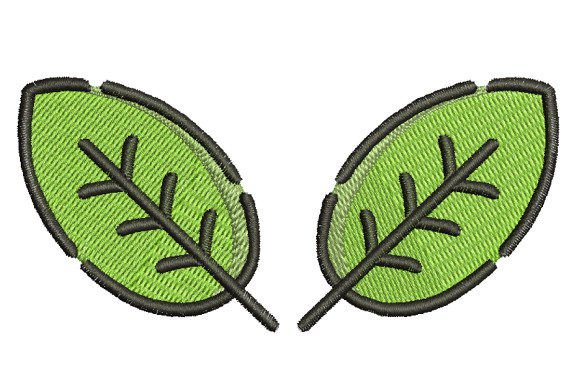
The concept behind Leaf Fan is rooted in nostalgia and natural cooling. Inspired by the old days when fans were crafted to resemble large leaves, the design captures that breezy, organic aesthetic. The premise is simple yet evocative: because the leaves are expansive, they suggest a sense of airflow and coolness. For a brand operating within the Forest category or focusing on nature-inspired Embroidery, this thematic consistency is vital. But does the execution match the sentiment? Let us dive into the details.
First Impressions: Mood and Stitching Personality
When I first loaded the digital embroidery file into my software, the immediate impression was one of graceful movement. The layout avoids rigid symmetry, opting instead for a flowing arrangement that mimics the way a leaf fan might flutter in the wind. This lack of stiffness is crucial for apparel; rigid designs can feel heavy and outdated on modern streetwear. The stitching personality here leans towards decorative and rustic, with a touch of feminine elegance. It is not overly minimal, nor is it aggressively bold. Instead, it strikes a balance that feels curated and intentional.
The detail level is moderate, which is a significant advantage for production. Overly complex designs with tiny details often get lost on textured fabrics like fleece or French terry. Leaf Fan maintains its integrity without relying on micro-details that might pucker or break. The visual weight is distributed evenly, ensuring that the design does not pull the fabric excessively to one side, a common issue with unbalanced motifs.
Application on Sweatshirts and Hoodies
For this review, I tested Leaf Fan on several types of garments to gauge its versatility. The primary application was on neutral-toned sweatshirts—think oatmeal, sage green, and charcoal. On these lighter, neutral backgrounds, the design shines as a statement piece. The organic shapes complement the soft, cozy nature of the fabric, enhancing the "cottagecore" or earthy vibe that is currently trending among Etsy sellers and independent boutiques.
I also experimented with dark fabric, specifically a deep navy heavyweight hoodie. Here, the contrast becomes key. If you are using dark thread on dark fabric, the texture of the stitches must do the heavy lifting. Leaf Fan has enough structural variation in its satin and fill stitches to create a subtle sheen that catches the light, making the design visible even without high-contrast color choices. For pastel colors, such as blush or sky blue hoodies, the design takes on a softer, more playful character. It feels less like a graphic print and more like an integrated part of the garment’s soul.
Placement is another critical factor. I found that Leaf Fan works exceptionally well as a left-chest logo alternative, offering a sophisticated touch that distinguishes a boutique brand from mass-market apparel. However, due to its elegant flow, it also scales beautifully for a larger back placement on oversized hoodies. When enlarged, the "big leaf" inspiration becomes more apparent, creating a dramatic silhouette that looks stunning in printable mockup previews and lifestyle product photography.
Technical Considerations for Production
From a technical standpoint, there are several factors every small shop product creator must consider before running a full batch. First, let us discuss stitch density. While the exact count is not provided in the brief description, experienced designers know that sweatshirt fabric requires careful management of density to prevent puckering. The open, airy nature of the leaf motif suggests that the digitizer likely avoided excessive overlapping, which is a positive sign for fabric stability.
Fabric texture plays a massive role in the final outcome. Sweatshirts and hoodies have a looped or fuzzy surface that can swallow fine lines. Leaf Fan appears robust enough to stand out against this texture. However, I strongly recommend using a cut-away stabilizer rather than tear-away for any commercial apparel use. The weight of the sweatshirt combined with the movement of the wearer demands long-term stability. A cut-away ensures that the embroidery remains flat and secure wash after wash.
Regarding hoop size, ensure you check the specific dimensions of the file before purchasing. For chest placements, a standard 4x4 or 5x7 hoop is usually sufficient, but if you plan to use it as a back piece, you will need a larger hoop capability. Always run a test stitch-out on the actual garment fabric, not just scrap cotton. The thickness of a hoodie differs significantly from standard quilting cotton, and your tension settings may need adjustment to accommodate the bulk.
Brand Identity and Commercial Value
Why choose Leaf Fan for your next collection? In the crowded market of custom apparel, distinctiveness drives buyer trust. A generic leaf clip-art looks cheap; a well-digitized embroidery design looks premium. Using Leaf Fan signals to your customers that you care about quality and detail. It enhances your brand identity by associating your products with nature, comfort, and artisanal craftsmanship.
For handmade product sellers, the tactile nature of embroidery adds a layer of luxury that prints cannot replicate. Customers are willing to pay more for items that feature genuine needlework. Furthermore, this design aids in visual recognition. If you consistently use this motif across your social media and packaging, it becomes a signature element of your brand. It encourages customer engagement, as people love to share photos of unique, textured details on their clothing.
When creating your Etsy listings or website pages, highlight the inspiration behind the design. Mentioning that the fan shape is inspired by traditional cooling methods adds a story to the product. Storytelling increases perceived value. Use high-resolution close-ups in your design assets to show the stitch quality. Potential buyers want to see that the threads are neat, the jumps are trimmed, and the overall finish is professional.
Final Verdict for Designers and Makers
In conclusion, Leaf Fan is a versatile and aesthetically pleasing addition to any designer’s library, particularly for those focusing on seasonal, cozy, or nature-themed collections. It bridges the gap between casual comfort and decorative art. Whether you are creating a finished product for a local market or scaling up for online sales, this design holds up under scrutiny.
Remember to verify the specific file formats and license terms before production, as these details are crucial for commercial embroidery rights. Check the recommended thread colors provided with the file, but do not be afraid to experiment with monochromatic schemes for a modern twist. With the right stabilizer and attention to hoop placement, Leaf Fan can become a standout element in your sweatshirt lineup, helping your small business stand out in a competitive marketplace. It is a design that respects the material it is stitched on, offering a cool, breezy aesthetic that feels both timeless and fresh.