Medical Design Review: Elevating Wellness Branding
As an embroidery designer who has spent years digitizing patterns for small businesses, I approach every new machine embroidery design with a critical eye. It is not just about aesthetics; it is about functionality, durability, and brand alignment. Recently, I evaluated the Medical Design, a digital asset aimed at those who love medicine and sewing. For small business owners in the wellness sector, this piece offers a unique opportunity to bridge the gap between professional uniformity and handmade charm. In this review, I will break down how this design performs in real-world commercial applications, from staff uniforms to branded merchandise.
First Impressions: Professionalism Meets Handmade Warmth
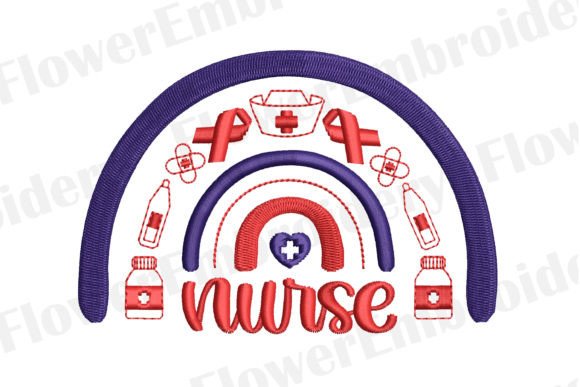
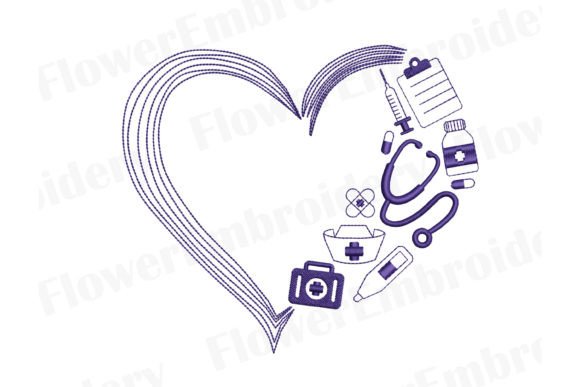
The initial visual impact of the Medical Design suggests a blend of professionalism and approachability. In the wellness industry, trust is paramount. A logo or motif that feels too rigid can appear cold, while one that is too playful might lack authority. This design strikes a balance. It feels decorative yet respectful of the medical field. For boutique clinics, private practices, or holistic health studios, this aesthetic communicates care and precision.
When considering this as a core element of your brand identity, note that the design lends itself well to a "premium handmade" look. It does not scream mass production. Instead, it suggests that the wearer or the product has been curated with attention to detail. This is crucial for Etsy sellers and crafters who want their handmade product lines to stand out against generic, screen-printed competitors.
Real-World Applications for Small Business Merch
The versatility of this digital embroidery file is its strongest asset for merch creators. Here is how I envision it performing across various product categories:
- Staff Uniforms and Scrubs: This is the most obvious application. Embroidering this design on the chest pocket of scrubs adds a personalized touch that patients appreciate. It humanizes medical staff, making them appear more approachable.
- Embroidered Patches: Creating iron-on or sew-on patches allows for flexible branding. You can produce batches of patches to sell as add-ons or to apply to jackets and bags. This reduces waste, as you only embroider what you sell.
- Apron Embroidery: For compounding pharmacies, herbalists, or wellness cafes, an apron featuring this design serves as both protection and advertising. It looks professional during client consultations.
- Cap Embroidery: Placing a simplified version of the design on the front of a baseball cap creates excellent street-level marketing for your clinic or shop.
- Tote Bag Design: Wellness brands often give away reusable totes. This design works well as a central focal point, turning a simple bag into a stylish accessory that customers will actually use.
For small business merch, the key is consistency. Using the same Medical Design across hats, bags, and uniforms creates a cohesive visual language that enhances customer recognition.
Technical Considerations for Commercial Embroidery
While the artistic merit is high, technical execution determines the quality of the finished product. As a designer, I must advise caution regarding specific use cases. Not every surface is suitable for every design.
Fabric Texture and Stabilizer Selection
The success of any embroidery file depends heavily on the fabric. For smooth cotton scrubs or poly-blend uniforms, the design should stitch out cleanly. However, if you are applying it to textured towels or thick canvas tote bags, you must adjust your technique. Always use the proper stabilizer. For stretchy fabrics like jersey knits used in t-shirts, a cut-away stabilizer is non-negotiable to prevent distortion. For woven fabrics like aprons, a tear-away may suffice, but test first.
Size and Stitch Density
One common mistake in commercial embroidery is shrinking a complex design too much. If you plan to use this as a tiny logo on a collar or a small patch, check the stitch density. High-density areas can bunch up if the design is scaled down significantly. I recommend creating a printable mockup at actual size to visualize the detail level. If the design includes fine lines, ensure they remain visible at smaller dimensions. If the description states it comes with multiple sizes, utilize the smallest provided size for petite applications rather than manually resizing a large file, which can distort stitch angles.
Thread Colors and Contrast
Color choice defines the mood. For medical uniforms, traditional blues, greens, and whites are safe. However, for custom apparel meant for retail, consider contrasting thread colors. A dark navy uniform with silver or light blue thread creates a sophisticated, high-end look. Always test your thread colors on the actual fabric before running a full production batch. Lighting in your shop may differ from the client's environment, so physical samples are essential for approval.
Enhancing Brand Identity and Customer Trust
Why invest in quality embroidery? Because it signals value. A shirt with a printed logo can fade and crack after a few washes. An embroidered design, when done correctly, lasts the lifetime of the garment. This durability reflects positively on your brand. It tells customers that you invest in quality, which translates to trust in your services or products.
For Etsy sellers and online boutiques, offering items with this Medical Design can increase average order value. Customers are often willing to pay more for personalized, embroidered items compared to plain goods. It transforms a standard item into a keepsake. Furthermore, consistent use of this design across your design assets—from packaging tags to employee wear—strengthens your visual identity. It makes your brand memorable.
Practical Designer Notes for Production
Before you launch this design into your product line, follow these steps to ensure professional results:
- Test in Black and White: Before committing to colored threads, stitch the design in black thread on white fabric. This reveals any issues with spacing, pull, or registration without the distraction of color.
- Check Hoop Size Compatibility: Confirm that the design fits within your machine’s hoop size. If you have a 4x4 hoop but the design is 5x5, you will need to resize or use a larger machine. Do not assume compatibility.
- Review Licensing Terms: The product description mentions it is great for personalizing gifts and clothes, but always confirm the commercial licensing rights. Ensure you are allowed to sell items made with this digital embroidery file before investing in inventory.
- Create Client Mockups: If you are doing custom work for a clinic, create a digital or physical mockup. Show them how the design looks on a pocket versus a sleeve. Manage expectations early.
- Wash Testing: Embroider a sample, wash it five times, and inspect it. Check for thread breakage, fabric puckering, or color bleeding. This step saves you from costly returns and unhappy clients.
Final Verdict for Wellness Brands
The Medical Design is a strong contender for businesses in the Wellness category. It offers the warmth of Embroidery with the professionalism required in healthcare settings. It is not just a decoration; it is a tool for building brand loyalty and perceived value. Whether you are outfitting a team of nurses, creating gift sets for a holistic shop, or selling branded patches online, this design provides a solid foundation. Just remember to respect the technical limits of your machinery and fabrics. With proper testing and attention to detail, this design can become a staple in your small business merch lineup, delivering both aesthetic appeal and lasting durability.