Reviewing Letter J Beautiful Monogram for Real Projects
As a designer who spends more time staring at stitch simulations than I care to admit, I have learned that not all monograms are created equal. Some are too dense, others lack personality, and many simply do not translate well from screen to fabric. When I first loaded the Letter J Beautiful Monogram into my software, I was looking for that specific balance of elegance and practicality. This is not just about aesthetics; it is about how a design behaves under the needle. For embroidery designers, Etsy sellers, and handmade shop owners, understanding this distinction is critical before committing to a full production run.
First Impressions and Visual Personality
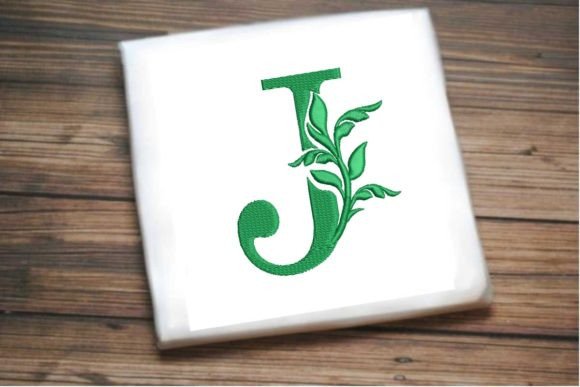
The immediate appeal of the Letter J Beautiful Monogram lies in its fluidity. It avoids the rigid, blocky structures that often plague digital embroidery files, opting instead for a softer, more organic curve. This creates a mood that is both sophisticated and approachable. In the context of a Wedding Monogram, this visual personality is invaluable. It suggests refinement without being overly ornate or difficult to read. The layout feels balanced, with weight distributed in a way that prevents the design from looking top-heavy or unstable once stitched.
For those of us creating design assets for clients, the versatility here is notable. It does not scream for attention with excessive detailing, which means it can serve as a subtle accent on high-end boutique products or stand alone as the focal point of a personalized gift. The shape invites the eye to follow the curve, making it an excellent choice for projects where flow and movement are desired, such as on curved surfaces or flowing fabrics.
Real-World Application: The Custom Tote Test
To truly evaluate a machine embroidery design, you must imagine it in a real-life scenario. I recently considered this design for a custom embroidered tote bag project for a local bridal shower. The client wanted something that felt special but not so delicate that it would be ruined by regular use. The Letter J Beautiful Monogram fit this brief perfectly. When visualized on a heavy canvas tote, the curves of the letter provided a nice contrast to the structured, grid-like texture of the fabric.
This is where the concept of stitch density becomes crucial. While the product description notes that it is fun and easy to stitch, experienced crafters know that "easy" often depends on the fabric choice. On a sturdy cotton or linen, this design likely performs beautifully, anchoring well without pulling the material. However, if you are planning to use it on a thinner fabric, such as a silk scarf or a lightweight summer dress, you must consider your stabilizer choices carefully. A cut stabilizer might be necessary to support the integrity of the curves, ensuring the finished product maintains its shape after washing.
Versatility Across Product Lines
Beyond tote bags, this monogram shows promise across a wide range of applications. For sweatshirt embroidery, the design’s open structure allows it to breathe on textured fleece, preventing the dreaded "puckering" effect that plagues dense fills. It would also work exceptionally well for baby embroidery on onesies or burp cloths, provided the scale is adjusted appropriately for smaller hoop sizes. The softness of the lines aligns well with the gentle aesthetic required for nursery decor and infant apparel.
For Etsy sellers and small business owners, the commercial potential is clear. This design can elevate simple items like kitchen towels, aprons, and pillow covers into premium, giftable products. It fits seamlessly into holiday embroidery collections, particularly for spring and summer themes where lightness and elegance are preferred over heavy, winter-weight motifs. Whether used for custom apparel or home goods, the design adds a layer of professionalism that buyers associate with high-quality handmade items.
Technical Considerations and Stitching Clarity
While the aesthetic is strong, practical execution requires attention to detail. One area to watch is the tail of the "J." In many monogram designs, the bottom curve can become distorted if the thread colors do not offer enough contrast against the fabric. I recommend testing this design on both light and dark backgrounds. On dark fabrics, ensure your thread has a slight sheen, such as rayon or polyester, to help the stitches catch the light and define the shape. On light fabrics, a matte cotton thread might provide a more rustic, artisanal look that appeals to certain market segments.
Another factor is the hoop size. If you are working with a small 4x4 inch hoop, you may need to resize the design to ensure it fits comfortably with adequate margins. Always check the dimensions provided in the digital embroidery file before purchasing. Resizing embroidery designs beyond ten percent can sometimes distort stitch angles, so it is best to choose a file size that closely matches your intended project dimensions from the start.
Navigating Fabric Challenges
Not every fabric is a friend to intricate monograms. When working with stretchy materials like jersey knits for t-shirts, the Letter J Beautiful Monogram requires a stable foundation. Using a fusible stabilizer on the back of the fabric before hooping can prevent shifting during stitching. Additionally, for textured fabrics like terry cloth or waffle weave, consider using an applique technique if the design supports it, or ensure that the stitch type—whether satin stitch, fill stitch, or running stitch—is optimized to bridge the gaps in the fabric texture without sinking in.
Curved surfaces, such as caps or hats, present another challenge. The curvature of the cap can distort the vertical lines of the letter. In these cases, it is wise to create a printable mockup to visualize how the design will wrap around the form. Adjusting the placement slightly higher or lower on the cap can make a significant difference in the final visual appeal.
Enhancing Brand Value and Customer Trust
From a business perspective, the quality of your embroidery directly impacts customer trust. A clean, well-stitched monogram signals attention to detail. The Letter J Beautiful Monogram, with its elegant lines, contributes to a cohesive brand identity for shops specializing in personalized gifts. It allows for consistency across product lines, whether you are selling embroidered patches, tote bag designs, or bespoke wedding gifts.
When creating listings for your online shop, high-quality images of the stitched result are essential. Use the design to create compelling printable mockups and digital product previews that show the texture and depth of the stitches. This transparency helps buyers understand the value of the handmade product they are purchasing. It moves the conversation from price to quality, encouraging higher engagement and conversion rates.
Practical Designer Notes for Best Results
Before launching into full production with the Letter J Beautiful Monogram, take these practical steps to ensure success:
- Test on scrap fabric: Always stitch out a test piece on the exact fabric you plan to use for the final product. This reveals any tension issues or density problems.
- Check thread contrast: Verify that your chosen thread color stands out clearly against the fabric background to maintain legibility.
- Review stitch density: If the design feels too stiff after stitching, consider adjusting the density settings in your software if you have the appropriate license and skills.
- Confirm hoop size: Ensure the design fits within your machine’s maximum hoop area with enough room for clamping.
- Inspect small details: Zoom in on the digital file to check for any potential jump stitches or tight corners that might cause thread breaks.
- Use proper stabilizer: Match your stabilizer to the fabric weight and stretch to prevent puckering and distortion.
- Verify licensing: Confirm whether the digital embroidery file allows for commercial use if you plan to sell finished items or incorporate it into design assets for clients.
In conclusion, the Letter J Beautiful Monogram is a versatile and elegant addition to any embroidery library. It bridges the gap between decorative flair and functional simplicity, making it suitable for a wide array of projects from wedding monograms to everyday custom apparel. By approaching it with a designer’s eye for detail and a crafter’s respect for material limitations, you can create stunning, professional-quality pieces that resonate with customers and elevate your brand.