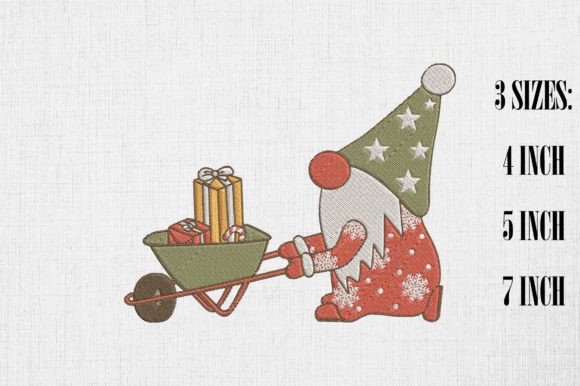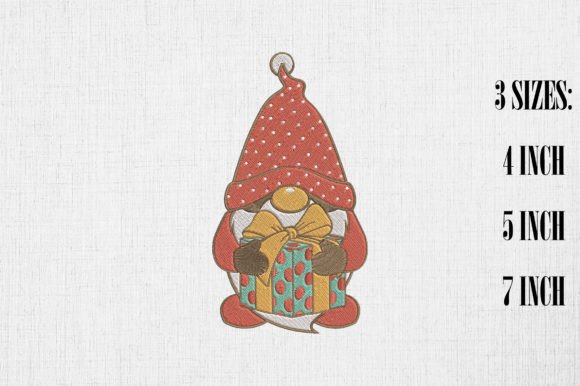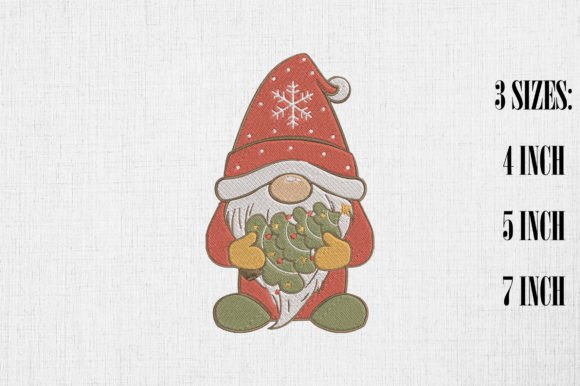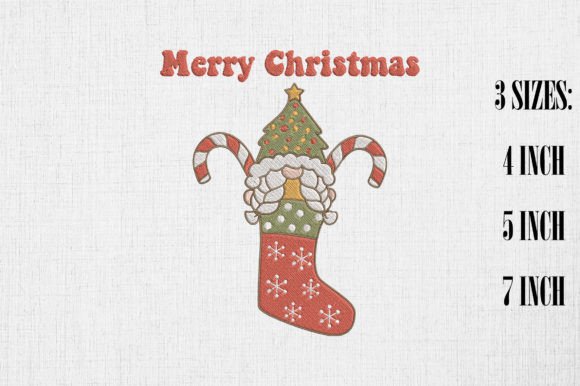
Cute Rabbit Bunny in Christmas Sock Design Review
As an embroidery designer who has spent years digitizing and reviewing patterns for commercial use, I approach every new machine embroidery design with a critical eye. It is not enough for a pattern to simply look cute on a screen; it must perform flawlessly under the needle when applied to real-world products. Recently, I evaluated the Cute Rabbit Bunny in Christmas Sock design, specifically analyzing its potential for small business merchandise and branded applications. This review focuses on how this festive motif translates from a digital file into a tangible asset for boutiques, cafes, bakeries, and handmade brands looking to elevate their holiday offerings.
First Impressions: Visual Personality and Brand Fit
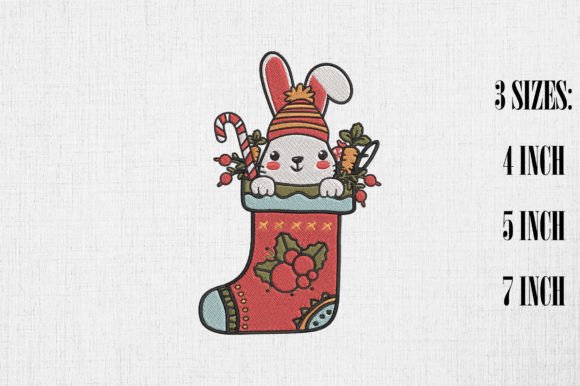
The immediate impression of the Cute Rabbit Bunny in Christmas Sock is one of approachable warmth. The imagery suggests a playful yet classic aesthetic that bridges the gap between whimsical charm and traditional holiday decor. For a small business owner, visual personality is crucial. This design does not scream "corporate coldness"; instead, it invites engagement. It feels handmade, friendly, and decorative, making it an excellent candidate for brands that want to project a sense of community and care.
However, "cute" can sometimes be mistaken for "amateur" if the digitization is poor. In my assessment, the key to leveraging this design professionally lies in its execution. The concept of a bunny tucked into a sock offers natural contours that can be stabilized well, provided the stitch paths are optimized. For apparel decorators and merch creators, this means the design has the potential to look premium rather than novelty-grade, assuming the thread colors are chosen with sophistication rather than relying solely on primary brights.
Commercial Applications for Small Business Merch
When considering where to apply this embroidery file, versatility is its strongest asset. I envision this design working exceptionally well across several product categories for small business merch. Here is how it performs in specific real-world scenarios:
- Embroidered Patches: This is perhaps the most viable application. By stitching the design onto twill or felt and cutting it out, you create a durable embroided patch that can be ironed or sewn onto various items. This allows customers to customize their own gear, adding value to your handmade product line.
- Staff Uniforms and Aprons: For bakeries, florists, or pet brands, this design serves as a delightful chest logo accent. Apron embroidery featuring this bunny adds a touch of seasonal spirit without overwhelming the professional look of the uniform. It signals to customers that the staff is engaged and festive.
- Tote Bags and Caps: As a tote bag design, the rabbit motif acts as a central focal point. On caps, however, caution is needed due to the curved surface. If used for cap embroidery, ensure the design is scaled correctly to avoid distortion on the front panel.
- Customer Gifts and Packaging: Smaller iterations of this design can be used on gift tags or small fabric accents attached to packaging, enhancing the unboxing experience and reinforcing brand identity.
Navigating Technical Challenges in Production
While the aesthetic appeal is high, any experienced embroiderer knows that technical execution determines the quality of the finished product. There are specific areas where the Cute Rabbit Bunny in Christmas Sock requires careful handling during production.
First, consider stitch density. Holiday designs often feature dense fills to create vibrant colors. If the density is too high for lightweight fabrics like t-shirts or scarves, the fabric may pucker or tear. Always test the design on a scrap piece of your actual production fabric. Using the correct stabilizer is non-negotiable here; a cut-away stabilizer is often safer for garments that will undergo frequent washing, while a tear-away might suffice for home decor items that see less wear.
Second, pay attention to thread colors and contrast. The description notes that the design complements dresses and home decor. To maintain professionalism, avoid using neon threads unless your brand identity specifically calls for it. Instead, opt for muted reds, forest greens, and creamy whites to achieve a more elegant, rustic look. This subtle shift in palette can transform the design from a child’s cartoon into a sophisticated boutique element.
Third, be mindful of size constraints. If you plan to use this as a small pocket logo or on a narrow strap, ensure the details of the bunny’s face and the sock’s texture remain visible. Tiny lettering or intricate outlines can merge together if scaled down too far. Always create a printable mockup at the intended size to check for clarity before running a full production batch.
Enhancing Brand Identity and Customer Trust
In the world of commercial embroidery, consistency builds trust. Using a cohesive set of design assets helps customers recognize your brand instantly. The Cute Rabbit Bunny in Christmas Sock can be a cornerstone of your holiday campaign. When customers see this high-quality embroidery on a tote bag, then again on a staff apron, and finally on a product label, it creates a unified visual narrative.
This consistency signals professionalism. It tells the buyer that you care about the details. A sloppy embroidery job can damage brand identity, but a crisp, well-stitched design enhances perceived value. Customers are willing to pay more for items that feel substantial and well-crafted. By ensuring that this design is executed with precision, you elevate the perceived worth of your custom apparel and accessories.
Practical Designer Notes for Implementation
Before you commit to purchasing or producing this design, follow these practical steps to ensure success:
- Test in Monochrome: Before selecting your final palette, stitch the design out in black and white. This helps you evaluate the contrast and definition of the shapes without the distraction of color. If it looks good in monochrome, it will look great in color.
- Verify File Formats: The product description states that this digital embroidery file comes with multiple formats. Confirm that your specific machine’s format is included before purchase. Common formats include PES, DST, JEF, and EXP.
- Check Licensing Terms: Ensure you have the rights for commercial use. Most designers allow small business usage, but always read the license agreement to confirm limits on production volume or restricted platforms.
- Hoop Size Compatibility: Check the dimensions of the design against your available hoop sizes. You do not want to buy a design that requires a 6x10 hoop if you only own a 4x4 hoop.
- Fabric Texture Considerations: Test the design on different textures. A fluffy towel will absorb stitches differently than a smooth polyester blend. Adjust your tension settings accordingly.
In conclusion, the Cute Rabbit Bunny in Christmas Sock is a versatile and charming addition to any holiday collection. When handled with technical precision and strategic branding in mind, it transcends simple decoration to become a powerful tool for small business growth. Whether used on patches, uniforms, or retail goods, it offers a warm, inviting aesthetic that resonates with customers seeking quality and charm in their holiday purchases.