Reviewing Abstract Decorative Flower for Craft Fairs
As an embroidery designer who has spent countless weekends behind a booth table, I know that not every design translates well from the screen to the sales floor. When I first loaded the Abstract Decorative Flower into my software, I was looking for more than just aesthetic appeal. I was looking for a reliable craft fair product that could withstand the scrutiny of picky buyers while remaining efficient enough for batch production. This review breaks down how this specific design performs in the real world of handmade sales, focusing on its versatility, visual impact, and production practicality.
First Impressions: Modern Elegance Meets Versatility
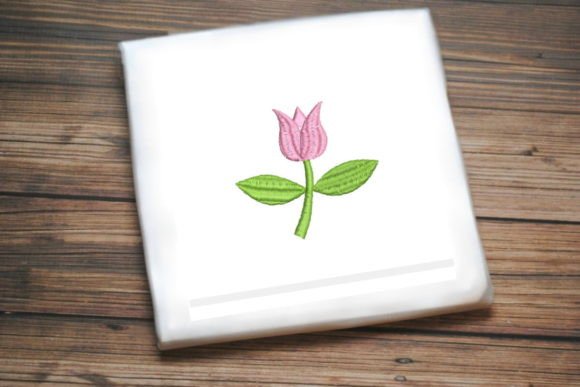
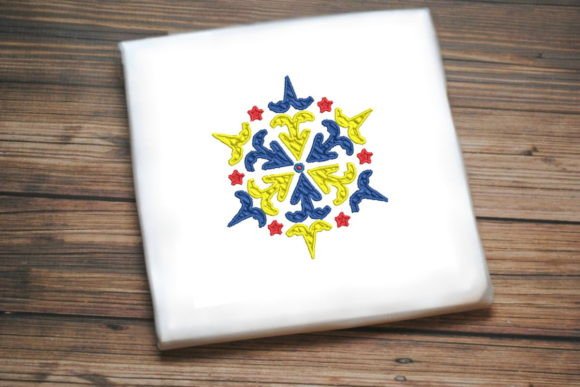
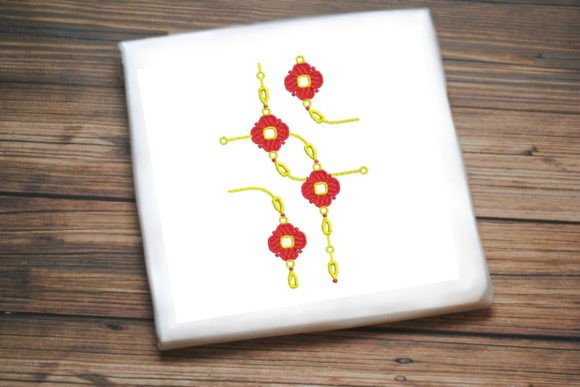
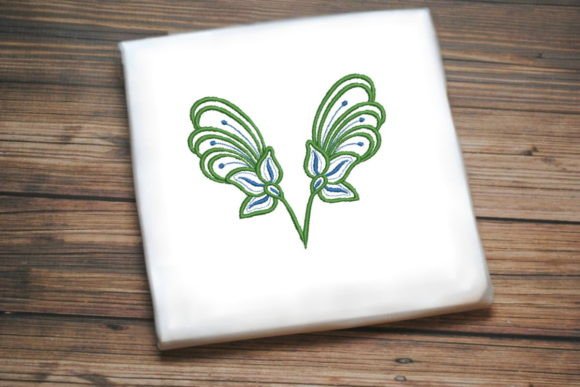
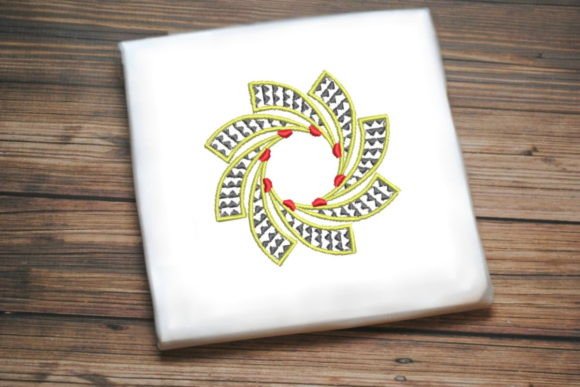
The immediate vibe of the Abstract Decorative Flower is one of understated elegance. It does not scream for attention with chaotic lines or excessive detail; instead, it offers a sophisticated, modern silhouette that fits seamlessly into current home decor trends. For sellers targeting the Single Flowers category, this design strikes a perfect balance between minimalism and decorative flair. It feels premium without being stiff, making it an ideal candidate for a wide range of demographics, from young professionals buying gifts to homeowners looking for subtle accents.
Because the design is described as fun and easy to stitch, it suggests a lack of overly complex underlay or microscopic details that often cause thread breaks during high-volume production. This "easy to stitch" characteristic is crucial for small shop owners who need to maximize output before a market weekend. The abstract nature allows it to feel contemporary, avoiding the dated look that some traditional floral motifs can sometimes carry.
Product Application: Where This Design Shines
To truly evaluate a machine embroidery design, you must visualize it on various substrates. Here is how the Abstract Decorative Flower performs across key product categories:
- Tote Bags and Market Bags: This is arguably the strongest application. A large-scale version of this flower on a canvas tote creates an instant statement piece. The abstract lines look artistic rather than corporate, appealing to buyers who want unique tote bag design options that stand out in a sea of generic prints.
- Aprons and Kitchen Textiles: For apron embroidery and tea towel embroidery, the design’s elegance adds value. On a linen apron, it transforms a utility item into a giftable luxury good. However, care must be taken with textured towels; the abstract lines need enough spacing to remain clear against the waffle weave or terry cloth.
- Embroidered Patches: If scaled down correctly, this design makes for a stunning embroidered patch. The bold outlines typical of abstract florals hold up well on iron-on backings, allowing customers to customize their own jackets or bags post-purchase.
- Pillow Covers and Home Decor: Centered on a cushion cover, the design acts as a focal point. Its symmetry and flow complement modern farmhouse and minimalist interiors, two of the biggest drivers in handmade home goods sales.
Production Practicality and Batch Efficiency
For an Etsy seller or boutique maker, time is money. The description notes that this is a high-quality embroidery file that is easy to stitch. In practice, this usually means optimized pathing and reasonable stitch density. When preparing for a craft fair, I look for designs that do not require constant trimming or excessive stabilizer manipulation. The Abstract Decorative Flower appears to be a strong contender for repeatable production.
Photography is another critical factor. Abstract designs often photograph better than realistic ones because they rely on shape and color contrast rather than tiny, hard-to-capture details. This makes creating a printable mockup or digital listing image much easier. The clean lines ensure that the finished product looks crisp in online thumbnails, which is essential for driving clicks on platforms like Etsy or Shopify.
Technical Considerations for Best Results
While the design is user-friendly, several technical factors must be managed to ensure professional results:
- Fabric Texture and Stability: Always test the design on scrap fabric before committing to your final inventory. Thick fabrics like denim or canvas may require a heavier cut-away stabilizer to prevent puckering, especially if the design has dense areas. Conversely, on lightweight cottons, a tear-away might suffice, but hooping tension must be precise.
- Thread Colors: The abstract nature of the flower allows for creative freedom with thread colors. Monochromatic schemes (e.g., white on white) look incredibly high-end and subtle, while contrasting colors (e.g., mustard yellow on navy) make the design pop. Ensure your thread choices align with your brand’s seasonal palette.
- Hoop Size and Scaling: Check the recommended hoop size provided with the digital embroidery file. If you plan to use it on caps, ensure the design fits within the curved surface area without distortion. Small details can get lost on curved surfaces, so verify the scale.
- Density Checks: Even "easy" designs can have dense fill areas. Inspect the stitch count and density map. If the center of the flower is too dense, it may create a stiff spot on soft garments like baby clothes or scarves. Adjusting density settings in your software may be necessary for delicate fabrics.
Boosting Visual Appeal and Brand Consistency
Using a cohesive design like the Abstract Decorative Flower helps strengthen your brand identity. When customers see the same stylistic elements across your tote bags, patches, and home decor, it creates a recognizable aesthetic. This consistency builds trust and perceived value. In a crowded craft fair aisle, a booth that looks curated rather than cluttered attracts more serious buyers.
This design also serves as an excellent anchor for your display. You can create a "collection" around this single motif, showing its versatility. For example, display a tote bag, a matching pouch, and a pillow cover side-by-side. This encourages upselling, as customers often buy multiple items when they see how well the designs coordinate.
Final Verdict for Commercial Embroidery
The Abstract Decorative Flower is a solid addition to any commercial embroidery library. It bridges the gap between artistic expression and commercial viability. It is simple enough to stitch quickly yet detailed enough to justify a higher price point. For small shop product lines, it offers the flexibility needed to adapt to trending colors and fabrics without losing its core identity.
Before launching your full production run, remember to confirm all technical specifications. Since the provided description does not list exact stitch counts or file formats, always download the sample or check the vendor’s detailed specs. Verify that the license allows for commercial embroidery sales, especially if you plan to sell finished goods at markets or online. With proper testing and thoughtful application, this design can become a staple in your best-selling inventory, helping you stand out in the competitive world of handmade Embroidery products.