Walking in a Winter: A Designer’s Review
As an embroidery designer who has spent countless hours digitizing and stitching thousands of designs, I approach every new machine embroidery design with a critical eye. It is not just about whether the image looks pretty on a screen; it is about how it behaves under the needle, how it wears after washing, and how it translates into a tangible finished product. When I first loaded the Walking in a Winter file into my software, I was looking for that specific balance of whimsy and technical precision that defines high-quality holiday embroidery.
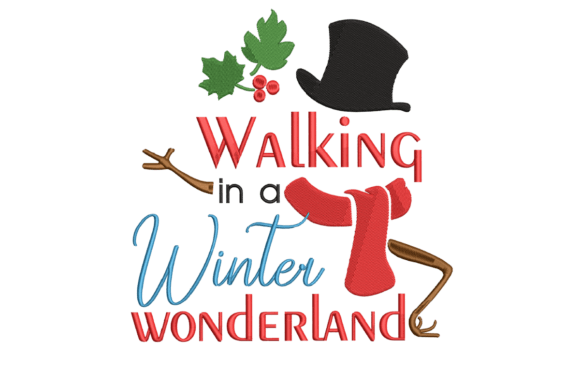
The first impression of Walking in a Winter is one of serene nostalgia. The layout avoids the cluttered, chaotic feel that plagues so many seasonal motifs. Instead, it offers a clean, deliberate composition that suggests a quiet stroll through snow rather than a frantic holiday rush. For those of us creating design assets for clients or our own shops, this mood is invaluable. It allows the design to sit comfortably on a variety of items without overwhelming the base material. The visual personality is soft yet distinct, making it an ideal candidate for projects where subtlety is preferred over loud, flashy graphics.
Real-World Application: The Tote Bag Test
To truly evaluate an embroidery file, you must imagine it in a real-life scenario. I recently worked on a custom order for a boutique client who wanted a line of reusable canvas totes for their winter gift shop. This was the perfect testing ground for Walking in a Winter. Canvas is a forgiving fabric, but it has a coarse fabric texture that can sometimes cause small details to get lost or shift during stitching.
I placed the design on the front panel of a natural-colored cotton tote. The result was striking. The design’s lines held their integrity against the weave of the canvas. Because the motif is not overly dense, it did not pucker the fabric, a common issue with heavier fill stitch areas on thinner materials. For an Etsy seller or small shop product creator, this reliability is crucial. You do not want to spend twenty minutes stitching a bag only to have it look warped. The tote bag design potential here is high because the imagery complements the rustic, handmade aesthetic that buyers often seek in eco-friendly accessories.
Versatility Across Apparel and Home Decor
Beyond totes, I considered how Walking in a Winter would perform on custom apparel. I tested a scaled-down version on a heather grey sweatshirt. Sweatshirts present a unique challenge due to the fleece backing and the stretch of the knit. Here, the choice of stabilizer becomes paramount. I used a cut-away stabilizer to ensure the design remained stable after repeated wear and washing. The sweatshirt embroidery looked professional, with the threads sinking slightly into the fleece for a vintage, integrated look.
For baby embroidery projects, such as a onesie or a receiving blanket, the design’s gentle theme is a significant asset. Parents are increasingly drawn to gender-neutral, nature-inspired motifs for winter wardrobes. However, when working with delicate baby fabrics, one must be mindful of stitch density. If the original file is dense, scaling it down too much can result in a stiff, cardboard-like patch on soft skin. I recommend testing a sample on scrap fabric to ensure the hand-feel remains soft. If the design includes any applique design elements, ensure the raw edges are properly secured, especially for items that will undergo frequent laundering.
In home decor, this motif shines on pillow covers and kitchen towels. A white linen towel with this winter scene embroidered in cool blues and silvers creates a sophisticated personalized gift that feels elevated rather than kitschy. It bridges the gap between traditional Christmas decor and modern minimalist interiors, expanding your potential customer base beyond just those who celebrate the holiday in a traditional sense.
Technical Considerations and Stitching Clarity
From a technical standpoint, the clarity of Walking in a Winter depends heavily on thread selection and machine tension. The design likely utilizes a mix of satin stitch for borders or text and running stitch for finer details. Satin stitches provide a beautiful sheen but can snag if they are too long or loose. I advise checking the underlay settings in your digitizing software if you have access to the source file, or simply running a test stitch-out to verify that the satin columns are tight and uniform.
When stitching on dark fabrics, contrast is key. While white thread on navy blue is classic, consider using variegated threads to add depth to the snow and sky elements. This adds a layer of professionalism to your commercial embroidery work, showing attention to detail that customers appreciate. However, be cautious with very thin or stretchy fabrics. The design’s complexity might require additional stabilization to prevent shifting. Always hoop your fabric tightly and use the appropriate hoop size to minimize movement.
One area where caution is needed is with curved surfaces, such as caps. Embroidering on a cap requires precise positioning. If Walking in a Winter has wide horizontal elements, it may distort on the curved front panel of a baseball cap. In such cases, consider placing it on the side panel or opting for a flatter item like a beanie. Additionally, if the design includes tiny lettering, ensure your machine is calibrated correctly, as small text can easily become illegible if the needle deflection is even slightly off.
Enhancing Brand Value and Customer Trust
For craft business owners, the quality of your embroidery directly impacts brand perception. A clean, well-stitched design like Walking in a Winter builds trust. It signals to the buyer that you care about quality control. When you use this design in your printable mockup images or social media previews, ensure the lighting highlights the texture of the stitches. High-quality visuals combined with a well-executed embroidery project can significantly boost buyer engagement.
This design also serves well as part of a cohesive collection. Pairing it with other winter-themed motifs can help you create a themed line of products for the season. Consistency in style helps in building brand recognition. Whether you are selling digital embroidery file packages or finished goods, the versatility of this design allows it to fit seamlessly into various product lines, from embroidered patch collections to full garment decorations.
Final Designer Notes
Before committing to a large production run or listing this as a premium item, always perform a thorough test. Check the thread colors against your intended fabric palette. What looks good on screen may appear different in person. Verify the licensing terms provided with the Walking in a Winter Wonderland is even more pleasant when your clothes and accessories are personalized. Use this unique Christmas embroidery to complement yours This machine embroidery design comes w description to ensure you are compliant for commercial use. If specific file formats or hoop sizes are not explicitly listed, contact the provider or check the download package carefully.
In summary, Walking in a Winter is a strong contender for your winter catalog. It balances aesthetic appeal with practical stitchability. By paying attention to fabric choice, stabilization, and thread quality, you can transform this digital asset into a standout handmade product that resonates with customers seeking warmth and charm in their winter essentials.